Services Rendered: Full-stack Platform Build ● Production AI Data Engineering
9.5 months, 5 engineers, .NET 9, and a 322-category taxonomy that holds in production. The 56% to 94% accuracy lift came from engineering: 180x deduplication caching, a hybrid rules-plus-model architecture, and multilingual prompt engineering.
Hero stats
- 56% to 94% classification accuracy for cost, labor, and equipment delay categorization across the firm's full mining taxonomy.
- 322-category taxonomy. 129 cost categories, 33 labor roles, 160 equipment delay types across 4 equipment classes.
- 180x fewer AI API calls per classification batch via deduplication caching, compared to naive per-row API calls.
- 5 engineers, 9.5 months from first commit to production-grade platform with 277 automated tests.
The Problem
Classification was the bottleneck
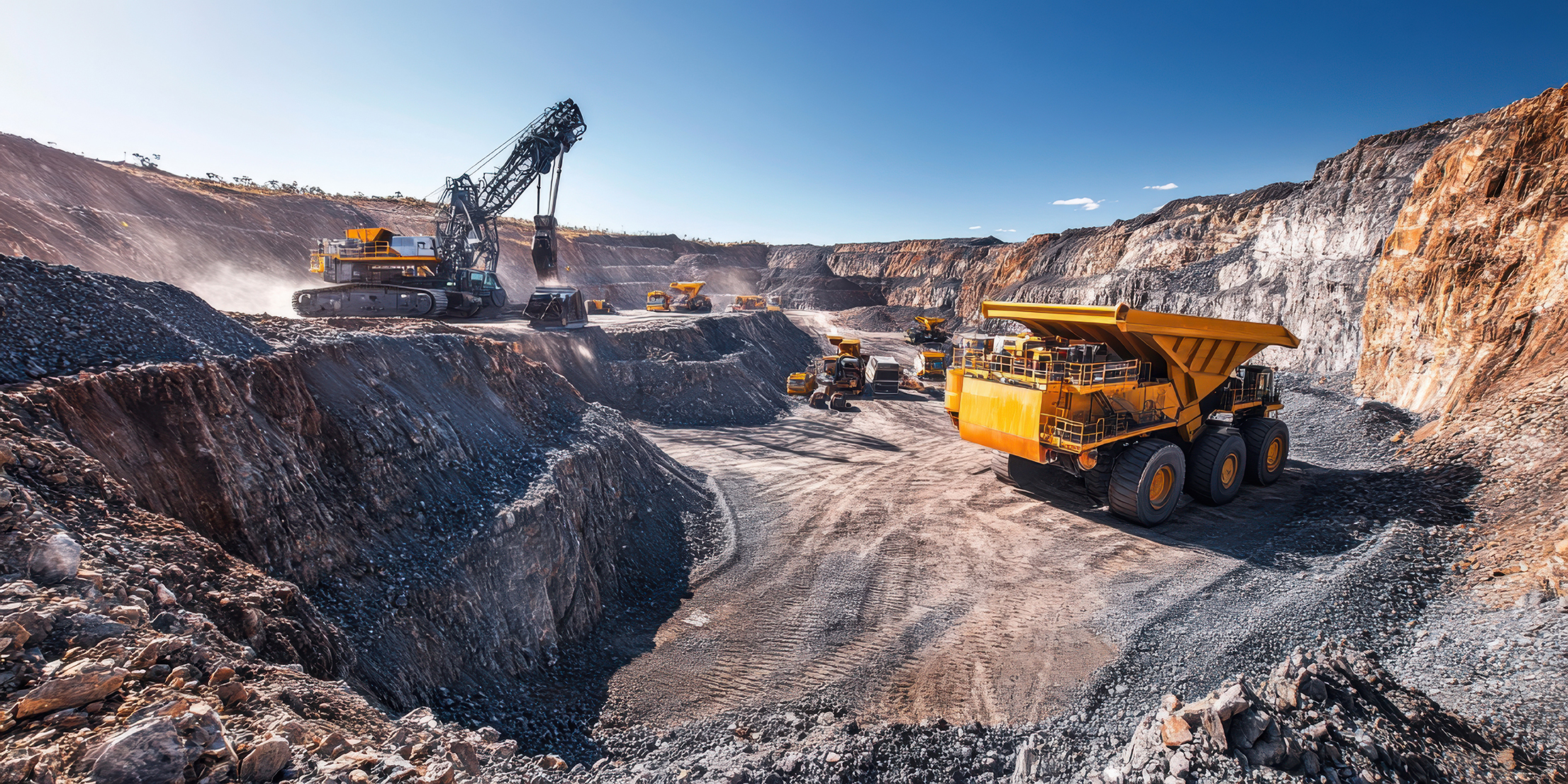
A top-three management consultancy was burning the first two days of every mining engagement on manual spreadsheet classification before its analysts could get to the work the client was actually paying for.
Why it mattered
Volatile commodity prices and shifting market valuations are pushing mine operators to cut costs, sweat their fleets harder, and prove operational discipline to investors. Their advisors run the analysis behind those decisions. The advisor's edge is the cross-mine benchmark: labor cost per role, cost category breakdown, equipment downtime by failure mode, OEE comparison across sites.
The data feeding those benchmarks lives in spreadsheets that every mine reports differently. A truck breakdown might show up as “Mech Engine” in one file and “Avería mecánica del motor” in another. A staffing line called “Open-pit dispatcher” in one report becomes “Dispatch operator” in the next. To produce a comparable benchmark, every line item has to map to a consistent taxonomy: 129 cost categories, 33 labor roles, 160 equipment delay types across 4 equipment classes. 322 reference categories total.
For years, that mapping happened by hand. Senior consultants spent the opening days of every engagement reading spreadsheets, classifying lines, normalizing language across sites, and only then turning to the analytical work that produced client value. Accurate work. Necessary work. But not the work the firm hires senior mining consultants to do.
What We Built
The production layer around the classifier
A production AI classification system at this taxonomy depth is not a model problem. It is an engineering problem with a model embedded in it.
Tecknoworks built that production layer. The platform runs an 8-step guided workflow: upload, map, classify, review, refine, approve, export, audit. The classification model is one piece. The production system around it is what made it usable in real engagements: the rules engine that catches the cases the model gets wrong, the human review queue that routes ambiguous classifications to a senior consultant, the multilingual handling that keeps “Mech Engine” and “Avería mecánica del motor” classifying to the same category, and the analytics layer that turns the classified data into 13 pre-formatted analysis tables for OEE, maintenance reliability, utilization, and benchmark comparisons.
The accuracy lift from 56% to 94% required engineering, not just model tuning. Prompt engineering for the multilingual edge cases. Targeted training examples for the equipment delay categories where the off-the-shelf classifier struggled. A hybrid architecture where rules handle deterministic mappings and the model handles language variance. During evaluation, the team found 79 cases where the AI was right and the human-labeled training data was wrong. That discovery is what gave the senior consultants confidence to trust the classifier in production.
Performance engineering did the rest. A naive implementation would have called the AI API once per spreadsheet line, at enterprise volumes that translates to costs the engagement cannot bear. Tecknoworks built a deduplication caching layer that reduced AI API calls by 180x per classification batch versus the naive per-row approach. The platform handles files up to 500MB, runs 277 automated tests on every commit, and shipped 341 commits over 9.5 months with 5 engineers.
Three classification domains are live today. A fourth is in development.
What Changed
From two days to minutes
- 56% to 94% classification accuracy for cost, labor, and equipment delay categorization across the firm's full mining taxonomy. Held in production, not just in a benchmark.
- 322-category taxonomy classified consistently across sites and languages: 129 cost categories, 33 labor roles, 160 equipment delay types across 4 equipment classes.
- Days to minutes for the classification step. Spreadsheets that took the senior consultant team two days now classify in minutes, with the consultants reviewing exceptions instead of doing primary classification.
- 180x fewer AI API calls per classification batch via deduplication caching, compared to naive per-row API calls. Production-cost-aware engineering, not just production-accurate engineering.
- 277 automated tests running on every commit. Test coverage as engineering discipline, not as compliance theater.
- 341 commits over 9.5 months with 5 engineers. Delivery cadence on a production-grade enterprise platform.
- 500MB file ceiling so the platform handles real client uploads, not stripped-down samples.
- 13 pre-formatted analysis tables layered on top of the classified data: OEE, maintenance reliability, utilization, benchmark comparisons.
What's Possible Now
Classification as a solved layer
Before this engagement, classification was a tax that every engagement paid before the analysis could start. The senior consultants were the classifier. They read spreadsheets, mapped lines, normalized language, and only then turned to the work clients hired them for.
After it, classification is a solved layer. The platform handles extraction and standardization across the 322-category taxonomy, in multiple languages, at production scale. The senior consultants handle judgment calls, exceptions, and the cross-mine analysis that creates client value. Future categories can be added without retraining the platform from scratch. Accuracy holds at 94% in production, not just at validation. The team that used to be the bottleneck became the quality layer.
The 56% to 94% accuracy lift was engineering work. 180x deduplication caching. A hybrid rules-plus-model architecture. Multilingual prompt engineering. 277 automated tests on every commit. The classifier is the visible piece. The platform around it is what made 94% hold in production.
How We Built It
The production stack
- .NET 9 backend
- Azure cloud infrastructure
- Hybrid classification architecture combining a fine-tuned classification model with a deterministic rules engine for the cases where the model is weak
- Deduplication caching layer that compresses 180x the AI API calls per batch versus naive per-row classification
- Multilingual prompt-engineered classification handling the natural-language variance across mine sites and languages
- Senior review workflow routing ambiguous classifications to consultant attention while clean classifications auto-approve